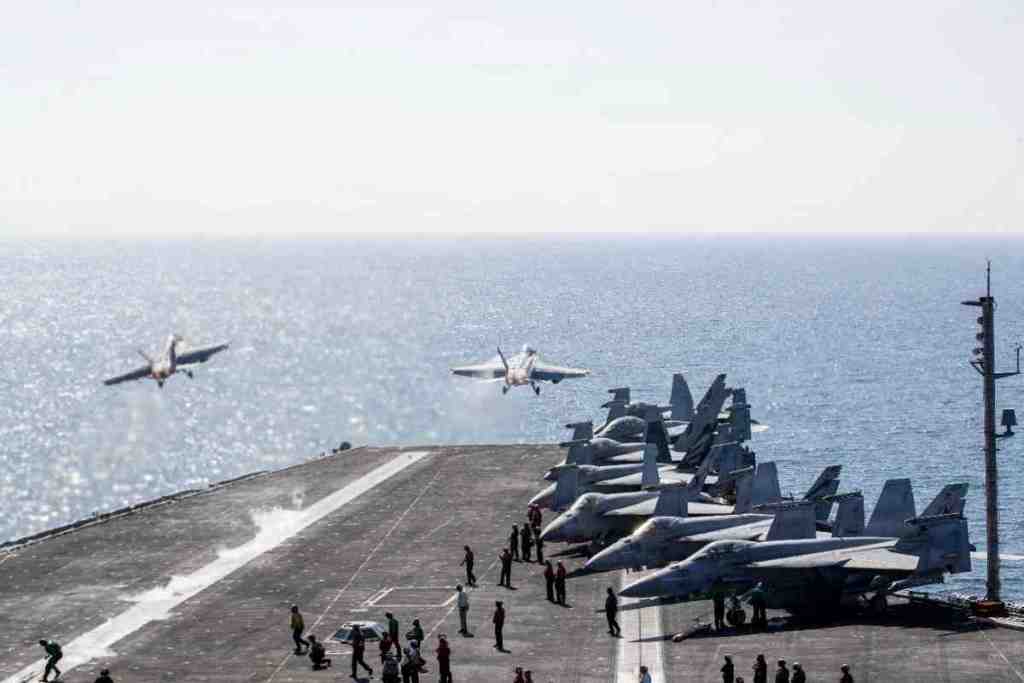
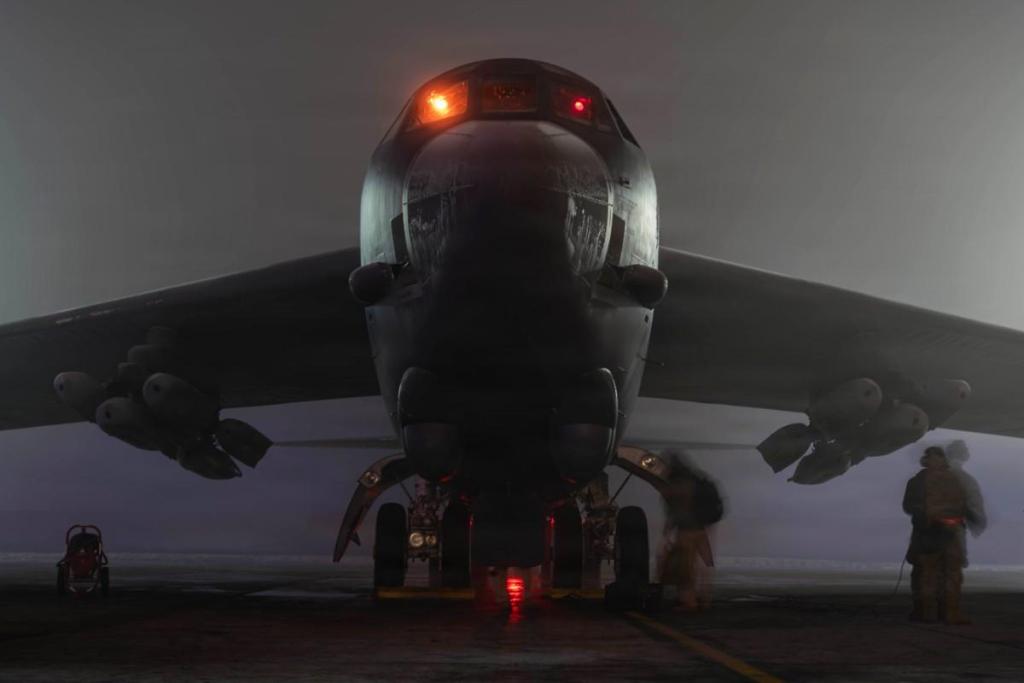
As of March 15, 2026, the conflict in West Asia has entered its third week, and the “quick victory” once envisioned by some in Washington has dissolved into a gritty, high-stakes endurance match. While the U.S. and Israel continue to pound Iranian infrastructure, the regime in Tehran has signaled its commitment to a “Long War.” Meanwhile, India has taken a decisive step to protect its own, deploying a naval shield to rescue its stranded energy assets.
Operation Sankalp 2026
The biggest update for the Indian audience is the proactive deployment of the Indian Navy. Over the last 48 hours, India has moved beyond diplomatic monitoring and into active escort operations.
Under the umbrella of Operation Sankalp, multiple Indian Navy warships have arrived in the Gulf of Oman. Their mission is critical: escorting a backlog of Indian-flagged oil and LPG tankers that were stranded upstream of the Strait of Hormuz. On Saturday, March 14, two state-run tankers, the Shivalik and Nanda Devi, successfully crossed the strategic waterway under the watchful eyes of Indian naval ships. These vessels are carrying nearly 93,000 metric tonnes of LPG and are expected to reach Mundra and Kandla ports in Gujarat early next week.
This move marks a shift in India’s strategy. While India remains neutral in the combat phase, it is no longer waiting for the U.S. to “clear the lanes.” By providing its own escorts, India is securing its energy lifeline independently, demonstrating the reach and necessity of its “Blue Water” capabilities.
Tehran’s Vow: No Ceasefire, Just Resistance
On the other side of the Gulf, the rhetoric coming from Tehran has hardened. Following the death of Ali Khamenei, his son and successor Mojtaba Khamenei issued a written statement on March 12, reaffirming that the Strait of Hormuz will remain a tool of “regime pressure.”
Iranian Foreign Minister Abbas Araghchi was even more blunt in an interview on March 15. He dismissed President Trump’s claims that Iran was looking for a deal. “No, we never asked for a ceasefire,” Araghchi stated. “We are ready to defend as long as it takes.”
The Iranian Strategy:
- Decentralized Warfare: Even with decimated naval hubs, Iran is using shore-based missile batteries and “suicide” drone swarms to keep the Strait effectively closed to U.S. and Israeli ships.
- Economic Attrition: Iran’s goal is to make the cost of war unbearable for the West. By targeting regional oil infrastructure, most recently with a drone strike near the Fujairah hub, they are pushing global oil prices toward a record-breaking $147 per barrel.
- Regional Pressure: Tehran continues to warn neighboring countries that hosting U.S. bases makes them a legitimate target, forcing a “neutrality” that complicates U.S. logistics.
The Path to Escalation
The conflict saw a major escalation this weekend when President Trump ordered a series of strikes on Kharg Island, Iran’s primary oil export terminal. While the U.S. military claims it only targeted “military assets” on the island to spare the world an even greater oil shock, Trump’s rhetoric on Truth Social was characteristically aggressive. He warned that “we may hit it a few more times just for fun” if the Strait remains blocked.
This “maximum pressure” tactic aims to force a total economic collapse of the Iranian regime. However, critics argue it only reinforces Mojtaba Khamenei’s narrative of a “holy defense,” potentially rallying a fractured Iranian public behind the new Supreme Leader.
The New Normal of 2026
The path forward is no longer about a single decisive battle. It is now a race of attrition.
- The U.S. is betting that the total destruction of Iran’s economy will lead to an internal collapse.
- Iran is betting that the global oil shock will force the world to demand a U.S. withdrawal.
- India is carving out a third path, using its growing naval power to protect its interests while avoiding the trap of a foreign war.
As the conflict enters its third week, the “Long War” is no longer a threat; it is the reality. With Brent crude closing near $100 and climbing, the global community is bracing for an era of volatility where energy security is won with warships, not just contracts.
About the Author