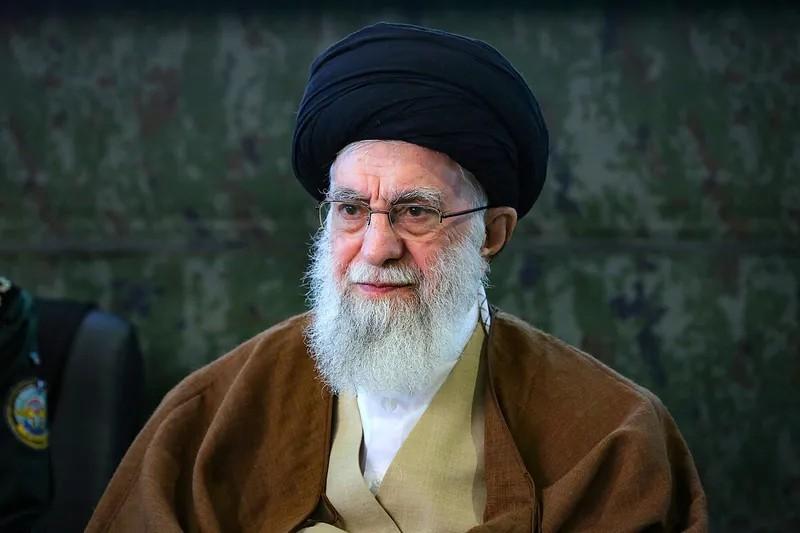
The Middle East has entered a period of extreme volatility. On February 28, 2026, reports confirmed the death of Ayatollah Ali Khamenei. The Supreme Leader had held absolute power in Iran since 1989. He was killed during a massive aerial campaign by the United States and Israel. This event marks the first time since the 1979 Revolution that the clerical heart of the Islamic Republic has been removed.
As of March 1, 2026, the Iranian regime is on permanent high alert. Analysts describe this as an existential threat to the government. The US and Israel have continued pinpoint bombing throughout the week. The main question now is not just about who will lead. People are wondering if the theocratic system itself can survive the storm.
The Decapitation Strike: Operation Epic Fury
The military operation that killed Khamenei was a massive assault. It involved over 200 fighter jets and many standoff weapons. The United States codenamed the mission “Operation Epic Fury.” Israel referred to it as “Operation Roaring Lion” or “Operation Genesis”. The strike targeted the Pasteur district in Tehran. This zone contains the presidential palace and the Supreme Leader’s compound.
In the first 24 hours, military forces used over 1,200 bombs. This was more than just an assassination. It was a plan to dismantle Iran’s military and nuclear infrastructure. Other senior leaders were also killed. These included Defense Minister Aziz Nasirzadeh and IRGC commander Mohammad Pakpour. This loss of leadership has paralyzed the traditional chain of command.
New Technology in Modern Warfare
This conflict has featured several technical innovations. For the first time, Task Force Scorpion Strike used low cost attack drones. While US stealth bombers hit deep underground missile facilities, these drones overwhelmed local air defenses. They were used to strike specific leadership nodes.
Israel also used advanced cyber warfare. Cyberattacks hit Iranian media and mobile apps. These messages urged the public to rise up against the government. This dual front of physical and digital warfare aims to isolate the regime. It targets leaders while their defensive assets are destroyed.
The Succession Crisis: Who is in Charge?
According to the constitution, a Provisional Leadership Council takes over after the death of the Supreme Leader. This council includes President Masoud Pezeshkian and Chief Justice Gholam Hossein Mohseni Ejehi. They also include a cleric from the Guardian Council. This is only a temporary measure. The Assembly of Experts must select a permanent successor within three months.
The battle for power will likely be fierce and secret. Several names have surfaced as potential leaders:
- Mojtaba Khamenei: The second son of the late leader. He has great influence within the IRGC.
- Ali Larijani: The former Majlis speaker. He was recently appointed to lead the Supreme National Security Council.
- Hassan Khomeini: The grandson of the Republic’s founder. His moderate views could help calm the public.
However, the ongoing strikes make it hard for the Assembly to meet. Some experts suggest the IRGC may bypass the clerical process. They might install a military junta to protect their interests.
An Existential Threat to the Regime
The Islamic Republic is facing its most severe crisis since the Iran Iraq War. The economy is under the strain of mass poverty. The loss of legitimacy has fueled the “Lion and Sun Revolution”.
The regime’s survival depends on its ability to counter attack. Iran has already fired over 170 ballistic missiles at Israel. They also targeted US bases in Kuwait, Qatar, and the UAE. Furthermore, the IRGC has blocked the Strait of Hormuz. This holds the global energy market hostage.
The Future: Mourning or Revolution?
The government has declared 40 days of mourning. Historically, this time is used to mobilize people. Yet, the atmosphere in Tehran is split. Some feel fear, while others feel hope for change. US President Donald Trump has called for the Iranian people to topple the government. He promised that pinpoint bombing will continue until US goals are met.
In the coming weeks, the world will watch the interim council. If they cannot maintain order, internal rivalries may lead to a total collapse. If the IRGC takes over in a coup, the foundation of clerical rule may disappear. One thing is certain. The era of Ayatollah Khamenei is over. The Middle East will never be the same again.
About the Author