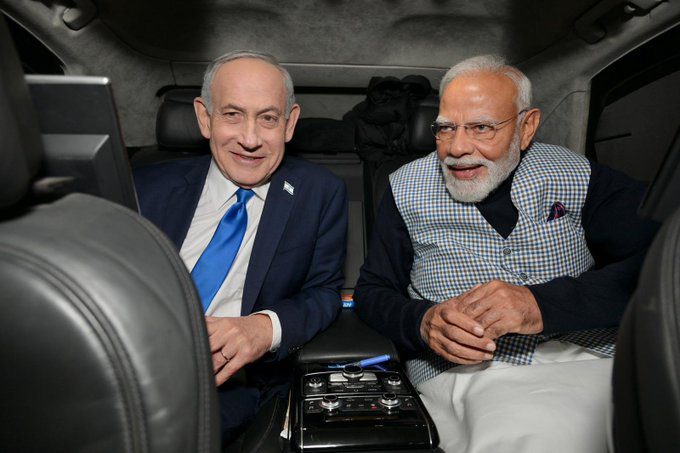
Prime Minister Narendra Modi landed in Tel Aviv today for a landmark two day state visit. While the Modi Bibi friendship has long been a staple of international diplomacy, this 2026 visit feels fundamentally different. It is no longer just about trade and technology. Instead, it is about an Iron Alliance forged in the fires of regional conflict.
From a historic address to the Knesset to the signing of multi billion dollar defense contracts, the optics and rhetoric of this visit suggest a major turning point. India, long a practitioner of strategic autonomy, appears to be making its stance crystal clear. The question everyone is asking is: Is New Delhi finally picking a side in the looming shadow of a larger regional war?
A Standing Ovation at the Knesset
Prime Minister Modi made history today by becoming the first Indian leader to address the Knesset, Israel’s parliament. The atmosphere was electric, punctuated by chants of Modi, Modi as he took the podium. His speech was a masterclass in moral clarity, specifically targeting the October 7, 2023, attacks.
I carry with me the deepest condolences of 1.4 billion Indians for the barbaric terrorist attack by Hamas, Modi asserted.
His language was sharper and more uncompromising than ever before. He reiterated India’s zero tolerance policy for terrorism. He drew direct parallels between the 26/11 Mumbai attacks and Israel’s recent struggles. By calling out Hamas by name in the Knesset, Modi has effectively moved India out of the balanced zone and into a direct ideological partnership with the Jewish state.
The Speaker of the Knesset Medal: A Rare Honor
During the session, PM Modi was conferred with the Speaker of the Knesset Medal. This is the highest parliamentary honor Israel can bestow. He is the first world leader to receive this newly established award. He was recognized for his exceptional contribution to strengthening strategic relations.
This award is more than a token of appreciation. It is a seal of the Iron Alliance. Netanyahu’s description of the relationship as written in blood and sacrifice underscores that the two nations now see their security as inextricably linked.
The 10 Billion Dollar Defensive Shield: What is on the Table?
The headlines of this visit are dominated by massive defense deals. Reports suggest that agreements worth between 8 billion and 10 billion dollars are being finalized. These are legacy leap capabilities designed to insulate India from modern, high tech threats.
Key components of the 2026 Defense Package include:
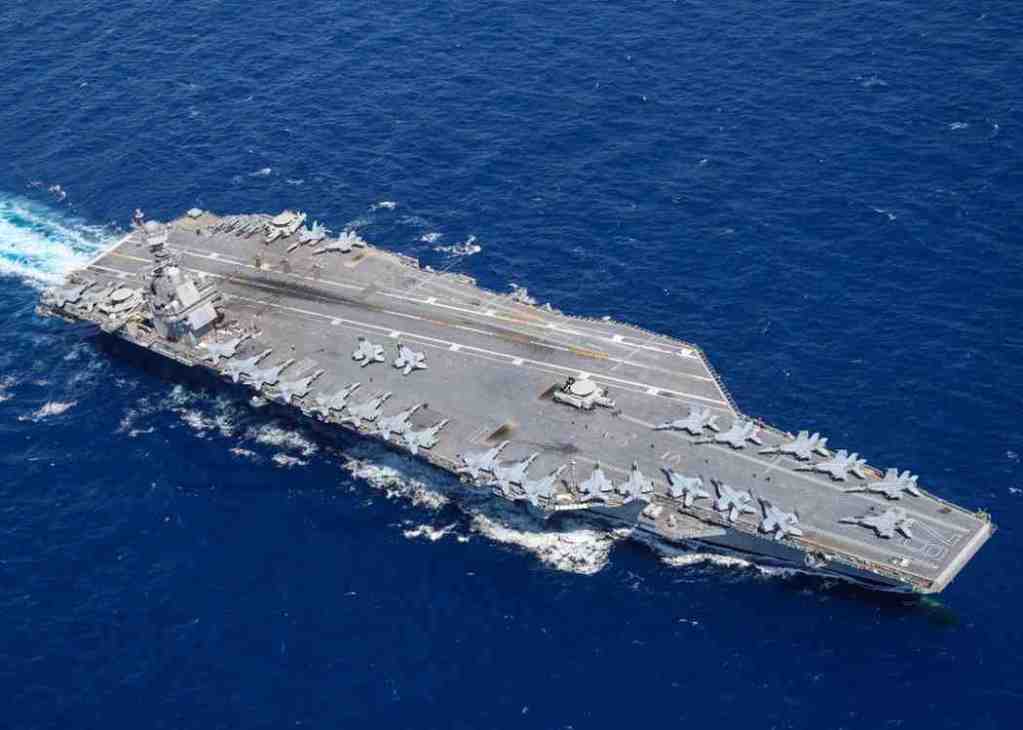
Aerial Tankers: A critical 8,000 crore rupee deal for six Boeing 767 mid air refueling aircraft. This joint project between Israel Aerospace Industries (IAI) and HAL will provide the IAF with the long legs needed for deep strike missions.
The Iron Beam: India is set to become one of the first international partners for Israel’s cutting edge laser defense system. Unlike the Iron Dome, the Iron Beam uses directed energy to intercept drones and rockets at a fraction of the cost.
Arrow and David’s Sling: Discussions are underway to integrate Israeli long range and medium range interceptors into India’s Sudarshan Chakra air defense shield. These would complement the Russian S-400.
Precision Stand off Weapons: The procurement of Rampage air to surface missiles and Air LORA ballistic missiles. These allow Indian jets to strike targets from 250 to 300 km away. This keeps them safely outside the reach of enemy air defenses.
Is War with Iran Imminent?
Perhaps the most startling moment of the day came when PM Netanyahu, with Modi by his side, referred to a jihadist axis of evil that must be broken. While the term was famously used in the early 2000s, its revival in 2026 carries a different weight.
Netanyahu’s Hexagon of Alliances clearly places India as a vital pillar in a coalition against extremist ideology and its state sponsors. By not distancing himself from this rhetoric, Modi has signaled a significant departure from India’s traditional wait and watch approach to West Asian conflicts.
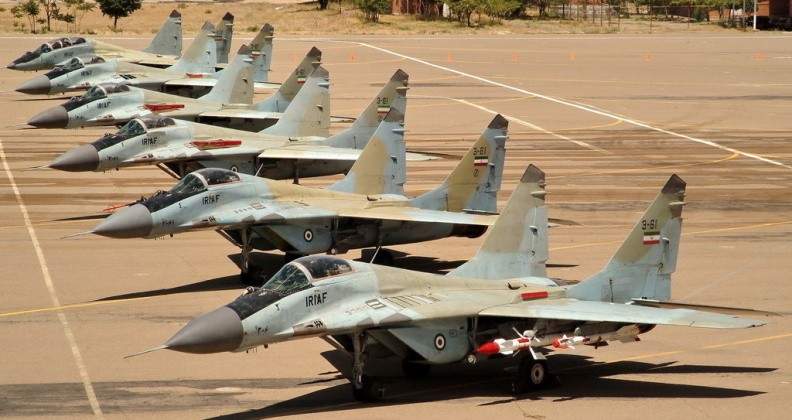
The Question of Iran: Given the Israeli Air Force’s strikes on Iranian nuclear facilities in June 2025, and India’s own recent tensions with Pakistan in May 2025, the strategic alignment is undeniable. The procurement of long range tankers and stand off missiles specifically designed to penetrate denied airspace raises a provocative question: Is India preparing for the possibility of a direct or indirect confrontation with Iran?
For decades, India maintained a delicate balance between Tehran and Tel Aviv. However, as Iranian backed proxies threaten maritime lanes in the Arabian Sea, vital for India’s energy security, New Delhi’s patience has seemingly worn thin.
A Sovereign Strategy or a Global Realignment?
Critics will argue that India is abandoning its non aligned roots. However, supporters see this as the New India being pragmatic. In a world where drones and ballistic missiles are the new currency of war, India cannot afford to be a neutral spectator.
By tying its defense industry to Israel’s innovation through Make in India joint ventures, India is securing its future. This visit is not just about buying weapons. It is about ensuring that in the event of a regional conflagration, India has the Iron Shield and the Long Arm necessary to protect its interests.
Conclusion: The Dawn of the Iron Alliance
As PM Modi concludes his first day in Jerusalem, the message is clear. The India Israel relationship has graduated from a buyer seller dynamic to a special strategic relation. Whether this leads to a direct conflict with the axis of evil remains to be seen. However, India has undeniably placed its bets. In the high stakes chess game of 2026, the board has been reset. With Israeli technology and Indian scale, the Iron Alliance is a formidable reality that the world, and especially Iran, will have to account for.
About the Author